
When the Freezer Gets Hacked: What France’s Supermarket Attack Means for Your Home
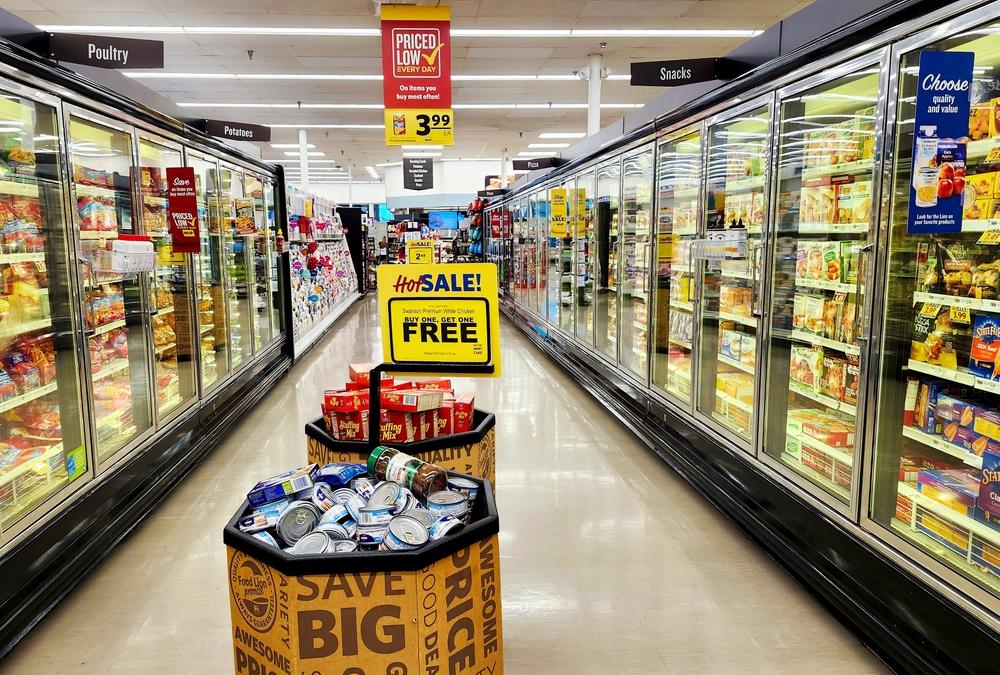
On the night of October 11–12, attackers gained remote control of refrigeration systems at about 700 French supermarkets. Reports describe temperatures climbing as high as 122°F (50°C). Fresh and frozen food was ruined and fires broke out at several stores. The losses ran into the millions of euros. French officials called the attack unprecedented, and investigators warned that the campaign might still be active days later.
It’s tempting to file this under “someone else’s problem.” A cyberattack on French grocery stores seems remote from life in eastern Pennsylvania. But the lesson applies directly to you.
It started with a connected device
The attackers didn’t break into a bank. They reached equipment that was connected to the internet for convenience, so technicians could monitor and adjust it remotely. Public reporting points to controllers from several industrial manufacturers. The exact method of entry has not been confirmed.
Your home probably has similar technology: a smart thermostat, security cameras, a video doorbell, a garage door opener, a wine cellar monitor, a generator controller, or a home Wi-Fi router. Each one is a small computer on your network, and each one can be a doorway.
Why This Matters for Your Finances
It may seem like a long way from a supermarket freezer to your investment accounts, but the connection is closer than you might think. The devices in our homes and the accounts that hold our savings are all linked through the same online world, and a weak spot in one can sometimes open a door to another.
For example, a compromised device or email account can give a criminal access to login credentials, or a way to send fraudulent requests that appear to come from you. Email matters most, because anyone who controls it can try to reset the passwords on your other accounts, including financial ones.
For those approaching or enjoying retirement, a loss like this can be harder to absorb, since there is less time to rebuild. The good news is that a few simple habits go a long way toward keeping you protected.
Four steps to take this month
1. Update your software. Updates are mostly security patches that close known weaknesses. Turn on automatic updates for your phone, computer, tablet, and router. Do the same for smart devices where the option exists.
2. Replace default and reused passwords. Many devices ship with passwords like “admin” or “1234” that are widely known. Change them the day you install the device. Never use the same password on two accounts.
3. Use a password manager and two-factor authentication. A password manager creates and remembers long, unique passwords for you. Add two-factor authentication to your email, bank, and investment accounts, since your email is the key to everything else.
4. Retire what you don’t use. Remove old devices and unused apps from your network. Ask whether each connected device really needs remote access. If not, turn that feature off.
Staying Ahead of the Risk
The French supermarket attack is a reminder that even everyday equipment can become a target when it is connected to the internet. The good news is that you don’t need to be a technology expert to stay safe. Keeping your software current, using strong and unique passwords, and pausing to verify anything that seems unusual will protect you from most threats. Small, steady habits matter here, much as they do in building a retirement plan.
Important Disclosures: PTM Wealth Management, LLC is an SEC-registered investment adviser. Registration does not imply a certain level of skill or training. This article is for general educational purposes only and is not personalized investment, legal, tax, or cybersecurity advice. It relies on news reports we have not independently verified. No security measure can guarantee protection against fraud or cyberattacks. Please contact your advisor before making financial decisions.