
The Great American Migration
By Paul T. Murray
If it feels like everyone you know is either moving, thinking about moving, or at least day-dreaming about it… you’re not imagining things.
New Census data confirms that Americans continue to relocate between states in meaningful numbers — and the reasons haven’t changed much since the pandemic years. Lower taxes. Lower cost of living. Better quality of life. And, in many cases, a desire for a little more financial breathing room.
What has changed is the persistence of the trend. Many assumed the COVID-era migration surge would reverse once offices reopened and life “normalized.” It hasn’t. Instead, the data shows a sustained shift away from high-tax, high-cost states toward states that are simply easier — financially — to live in.
Over the past five years, states like Idaho, South Carolina, North Carolina, Florida, and Tennessee have consistently ranked among the biggest winners in domestic migration. On the flip side, New York, California, Illinois, New Jersey, and Massachusetts continue to see residents leave in large numbers. That’s true whether you measure migration as a percentage of population or by raw headcount.
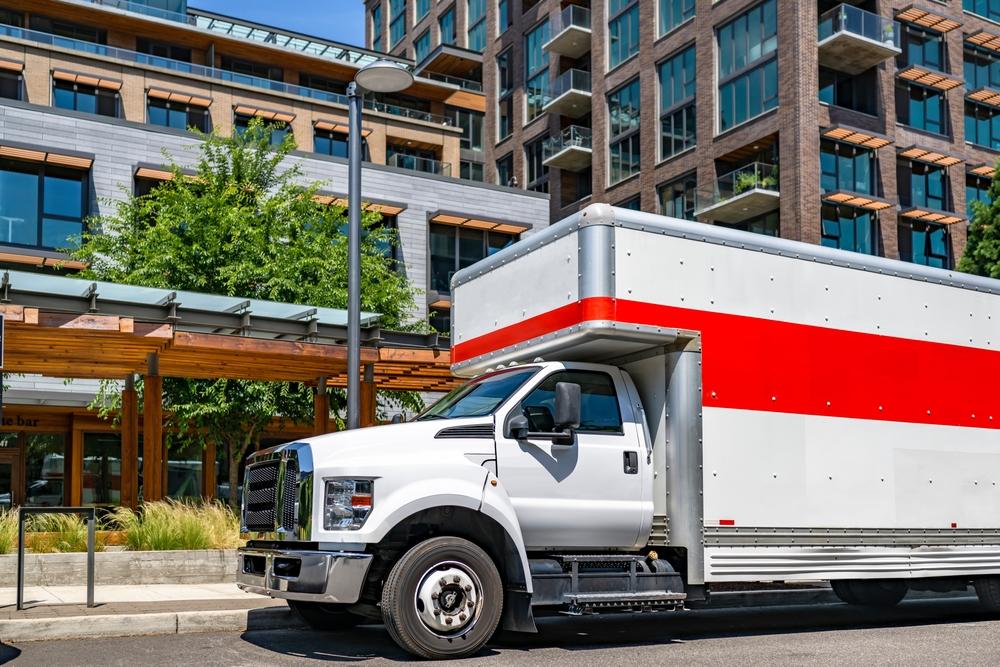
One of the more interesting (and surprisingly honest) indicators of these trends comes from an unlikely source: U-Haul pricing. When it costs several times more to rent a truck in one direction than the other, that’s not random — it’s supply and demand in real time. For example, moving from San Francisco to Boise can cost nearly four times as much as making the same trip in reverse. Translation: far more people are leaving California for Idaho than the other way around.
A move across state lines isn’t just about weather or scenery. It can impact income taxes, estate planning rules, property taxes, health care access, insurance costs, and even how long your money realistically needs to last. Two households with identical net worths can experience very different financial outcomes depending on where they live. The old saying may be true that wherever you go, you take yourself with you. But if you are seeking to change your financial situation, the grass just might be a little greener somewhere else.