
Financial Habits That Build Momentum: How to Start the Year with Intention
Creating Everyday Practices That Support Long-Term Financial Wellness
The start of a new year often brings renewed motivation to organize, plan, and reflect on what matters most. When it comes to your money goals, small, consistent financial habits can have a meaningful impact over time. You can build momentum by setting clear intentions and creating routines that help you stay aligned with your goals throughout the year.
Reflect on the Past Year
Before setting new goals, it can be helpful to look back at your financial habits from the previous year. Consider what worked well, what created challenges, and how your spending, saving, and lifestyle choices evolved.
Taking inventory of your progress helps you identify where you want to focus next. You might notice that certain expenses could be adjusted, or that your savings rate can improve with minor changes. This reflection process sets the stage for intentional planning.
Revisit Your Budget
A budget is a reflection of your priorities. Reviewing your current spending plan allows you to see how daily choices align with long-term goals.
Start by categorizing expenses into essentials and discretionary spending. Essentials include housing, groceries, utilities, and healthcare. Discretionary spending covers areas such as travel, dining, and entertainment.
If your income or expenses have changed, this is a good time to update your numbers. Even modest adjustments can improve your ability to stay on track and feel prepared for the year ahead.
Automate Where Possible
Automation can help simplify financial management. Setting up automatic transfers to savings or recurring bill payments reduces the likelihood of missed deadlines and helps you stay consistent.
For instance, automatic contributions to retirement or emergency savings accounts can support steady progress without requiring frequent manual adjustments. Over time, these systems can help reinforce positive habits and minimize stress around day-to-day money management.
Set Intentional, Measurable Goals
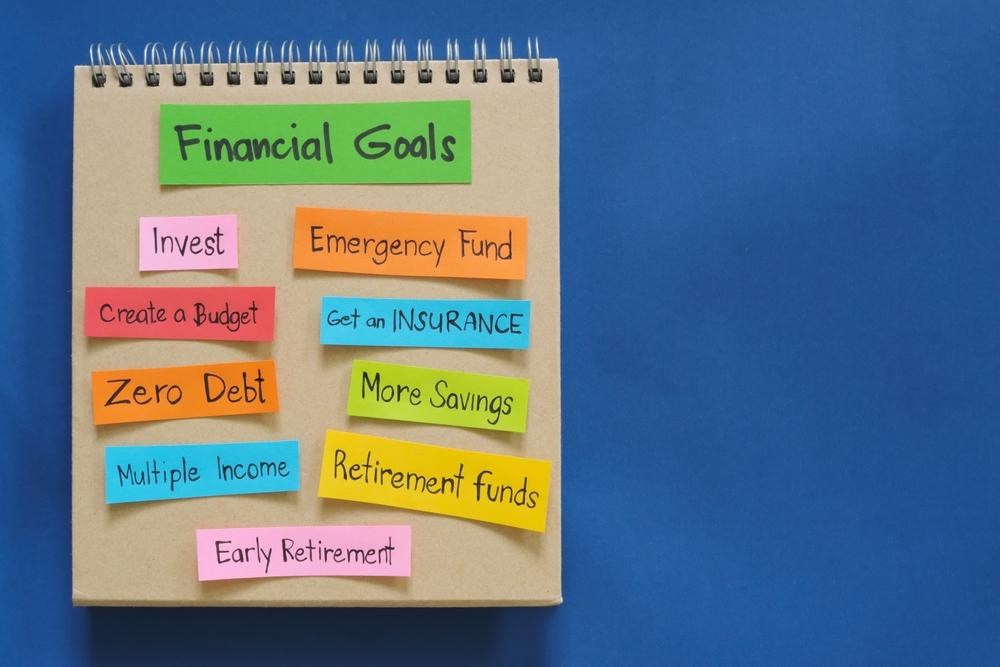
Setting goals that are both specific and attainable can help create a sense of momentum. Instead of broad resolutions like “save more,” define goals with clear parameters, like saving a specific amount each month or paying down a set percentage of debt by year-end.
Visual reminders can also help. Some people track progress on paper, while others use digital tools to stay accountable. The key is to create a method that feels natural to you and encourages consistent follow-through.
Build Flexibility into Your Plan
Even the most intentional plans can change throughout the year. Unexpected expenses, shifting priorities, or new opportunities can influence your financial path. Building flexibility into your plan allows you to adjust without feeling like you’ve fallen behind.
Setting aside a small “buffer fund” for unplanned costs or revisiting your budget quarterly can help keep your plan resilient. Financial progress often happens in steady, incremental steps rather than through major leaps.
Stay Organized and Informed
Keeping financial documents, statements, and account information organized helps make planning easier. A simple filing system ensures you can quickly access what you need when reviewing your finances or preparing for tax season.
It’s also helpful to stay informed about changes in tax laws or financial tools that may impact your strategy. Reliable, educational resources can provide clarity without creating information overload.
Prioritize Long-Term Financial Habits Over Short-Term Resolutions
While New Year’s resolutions often fade by February, habits rooted in intention tend to last. The focus should be on progress, not perfection.
Regularly reviewing your spending, updating your goals, and celebrating small achievements all contribute to a sense of stability and momentum. Over time, these habits can support a more organized and confident approach to financial decision-making.
Reflect on the Past Year
Before setting new goals, it can be helpful to look back at your financial habits from the previous year. Consider what worked well, what created challenges, and how your spending, saving, and lifestyle choices evolved.
Taking inventory of your progress helps you identify where you want to focus next. You might notice that certain expenses could be adjusted, or that your savings rate can improve with minor changes. This reflection process sets the stage for intentional planning.
Beginning the Year with Intention
Starting the year with financial intention is about creating balance between awareness and action. By reflecting on past choices, refining your budget, automating systems, and setting clear goals, you can build habits that sustain progress over time.
Whether your focus is saving, reducing debt, or simply gaining more clarity about your finances, small steps taken consistently can create meaningful results.